







Best Camera for Photography Professional

best professional photography cameras

Are you looking for the best camera for photography professionals? Then you should possess a professional camera to start with. You might have been clicking photos as a hobby for a long time. Now your skill is good, and you are enthusiastic enough to make it a career goal. Or you just want to be a professional photographer.

Anyway, you will need good-quality cameras for sure. As a beginner, you can feel puzzled by the available brands. Their quality, price, and durability vary. I am here to get you out of this problem. Stay with me till the end to learn about the best professional camera for beginners.

What is the best camera, according to you? Well, it depends on the configurations you need and the brand you are looking for. I consider shooting speed, picture quality, popularity, and ergonomics of a camera to judge it. You don’t need to scratch your head anymore.

I am here to get you out of this trouble. You will find a list of cameras that most professional photographers recommend.

Let Me Tell You The 8 Best Cameras for Professionals

Sony A7R III | Best Camera for Photography
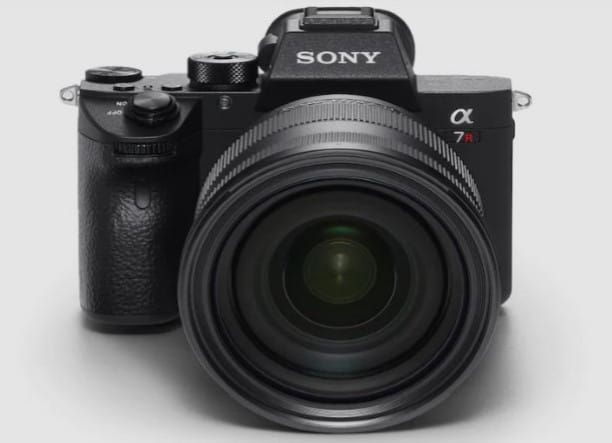
Sony A7R III, Best Camera for Photography

I will keep this at the top of the list of the best cameras for beginners. Let me share the things that I love about this camera. Sony A7RIII can work in poor lighting. Moreover, it has a speed of 10 frames per second.

Besides that, a default stabilizer and high-quality battery make it stand out among other cameras. In both high and minimum ISO, this camera works with a wide dynamic range.

You can shoot at night and get a surprising result. Moreover, you can publish photos with higher resolutions. I can keep on writing about all the good features it has. E.g.

The autofocusing system has 425 focus points. An articulating touchscreen to change settings, and mirrorless silence are the main features that make it best for weddings. RAW shooting will help you in post-production editing.

The ISO range of this camera is expandable, which enables it to work well even in minimal light.

Camera Type: Mirrorless
Weight: 1.4 lbs.
Recommended camera lens: Sony FE 85mm f/1.8
Lens Mount: Sony E
Sensor: Full-frame 42.4 MP
Image Stabilization: Yes
Price: $2,498.00

Pros

  • Detailed images  and dynamic range
  • Good autofocus in frame mode
  • Outstanding control
  • Swivel touchscreen display with touchpad mode
  • USB-charging compatibility

Cons

  • Heavy-weight
  • Costly

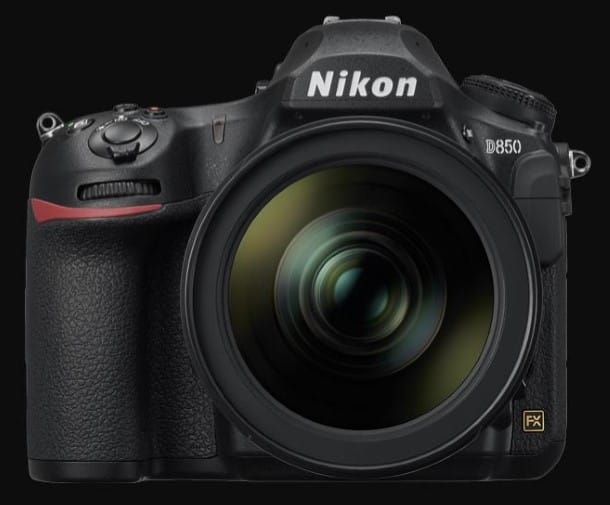
Nikon D850

Nikon D850

Probably, this is the best camera for photography that Nikon has ever produced. Nikon D850 has the best autofocus system in the market. Very few cameras other than the Nikon D850 have this kind of autofocus system within this price range.

With a 7 frames per second shooting speed, this camera is a dream for any professional photographer. Moreover, it has an amazing sensor and a perfectly designed ergonomic body. Nikon D850 is the best professional video camera available in the market now.

Having 45.7 megapixels, it is almost competing with the medium format resolution. In terms of videos, it does take 220fps at full HD, but it does not have any color profile at this price point. Though the autofocus for photos is fantastic, the autofocus for video is terrible.

By the way, this camera is not good for video, but it has a fantastic time-lapse mode. The Nikon D850 is very good at automatically metering, and you won’t get flicker. But, because of the 45.7 megapixels, you will get over 8K time-lapse video.

Despite the camera having a few drawbacks in the video department, you can do a lot of amazing things with this.

Pros

  • Slow-motion in 8K and UHD
  • Low-light high-performance.
  • Flip touchscreen display
  • Excellent image quality at high ISO
  • Fast autofocus
  • Huge optical viewfinder
  • Long battery life

Cons

  • Poor video performance
  • Slow live View autofocus
  • Poor Snapbridge

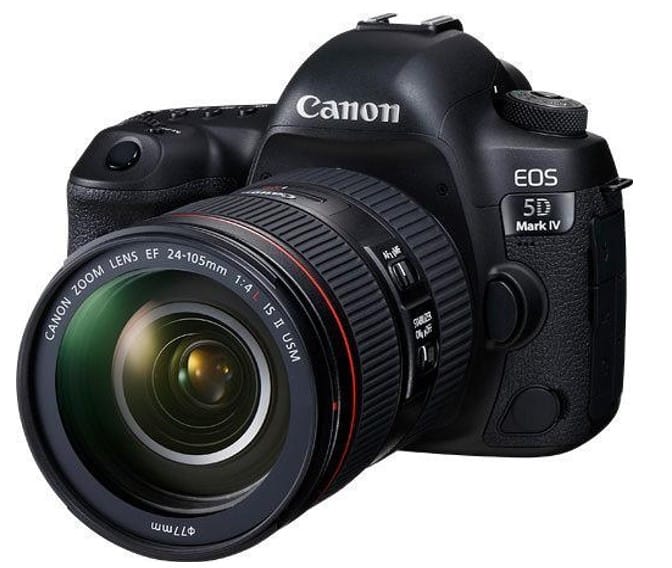
Canon EOS 5D Mark IV

Canon EOS 5D Mark IV, Best Camera for Photography

Canon is always on the list of producers of professional digital cameras. Keeping that record going, Canon has produced another variation of a professional camera. When Canon released this camera in 2016, it earned a lot of criticism from people. Because it could not live up to the really high expectations of people.

Nevertheless, now, after several years, it is one of the most popular photography cameras. 5D Mark IV targeted enthusiasts as well as professionals who want to get into photography and videography. When you hold it in your hand, it definitely feels lighter than the 5D Mark

The first impression you will get is that its current grip and ergonomics are viable for long-time shooting. On the left side of the camera, you have a couple of connecting ports. A mic port, a headphone port, and a USB 3 port for fast tethering to transfer.

And an HDMI port as well on the right side. In terms of memory card slots, it takes a compact flash and one SD card. At the back, you have got a really large 3-inch LCD screen for nice playback as well as great viewing in the daytime. The balance at the back is super responsive, and you will get a really large wheel to set the camera aperture.

Pros

  • Advanced controlled touchscreen
  • Extremely sensitive and fast autofocus
  • Relatively high speed of continuous shooting
  • Built-in GPS receiver, WiFi/NFC module

Cons

  • Lack of support
  • Overly simplified video mode compared with competitors
  • CFast and SD UHS-II cards are not supported

Canon EOS Rebel T7i / Canon EOS 800D
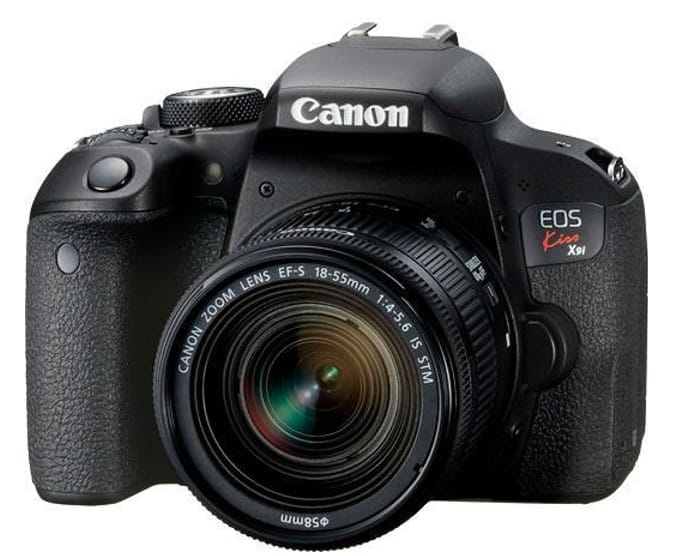
Canon EOS Rebel T7i

Let’s get started with the build quality of this camera. Well, if you have never used any DSLR before Canon EOS Rebel T7i might seem quite a large camera. In fact, it’s a small camera compared to most Digital DSLRs. For a beginner, it’s better to start with a light camera.

As it is a little bit smaller, more people will feel comfortable taking it out. On the top-right of the camera, you will have the main mode dial. Essentially, this is where you can change different settings as you want.

You can set whether you will shoot in automatic mode or manual mode. The build quality is definitely smaller than most DSLRs. The latest features added to this camera will give confidence to anyone. The Dual Pixel AF and swivel screen keep things simple.

Pros

  • High picture standard at ISO as much as 3200
  • Touchscreen display with swivel design
  • 45 autofocus points when viewing live
  • Screen assistant mode

Cons

  • Not the largest image coverage in the viewfinder (95%)
  • Can’t select the autofocusing point in the viewfinder

Fujifilm GFX 50S
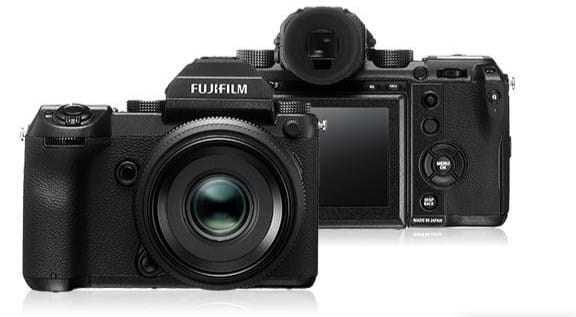
Fujifilm GFX 50S,Best Camera for Photography

Fujifilm GFX 50S is a new medium-format mirrorless camera. You will get a fixed 63-millimeter F2.8 lens that delivers standard coverage. And frankly, it’s not pretty, but certainly, it’s functional. A beautiful grip will give you the comfort to hold it.

They also have the screen on top, and that’s always on. Fuji has also decided to keep the same structure that they have on a lot of their X-series cameras. By that I mean we have got an ISO dial here on the left and you can lock it of course.

The shutter speed on the left is also lockable. Because of all these facilities, I consider this one of the best cameras for photography.

Pros

  • ISO works up to 12,800
  • High-quality photos in RAW and JPEG
  • Detailed touch screen and function rotation
  • Two memory card slots with UHS-II SDXC support
  • Affordable medium-format digital camera

Cons

  • Short battery life
  • Continuous shooting is slow and short

Fujifilm X-T3 | Best Camera for Photography Professionals
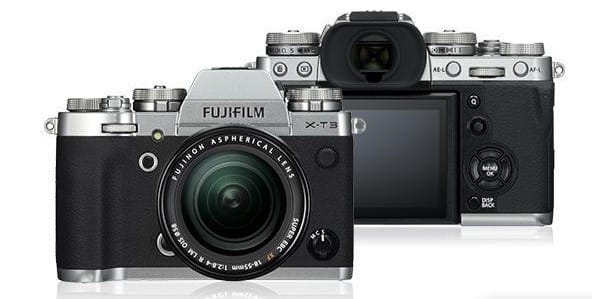
Fujifilm X-T3

If you are fond of taking pictures with good-quality cameras, this can be your first choice for choosing the best camera for photography. I hope the Fujifilm X-T3 will definitely grab your attention for consideration as the best camera for photography. Fuji has improved the BSI sensor-based speed.

You will get the best speed among all the cameras in this class. Your photos will have very good sharpness, micro-contrast, and details.

Pros

  • Up-to-date 26.1MP X-Trans CMOS 4 Sensor
  • SD cards: Two slots
  • In-built RAW processor
  • Perfect for making videos
  • Advanced X-Processor 4 Image Processor

Cons

  • Imperfect battery life
  • No stabilization

Hasselblad X1D-50c | First Mirrorless Medium Format Camera
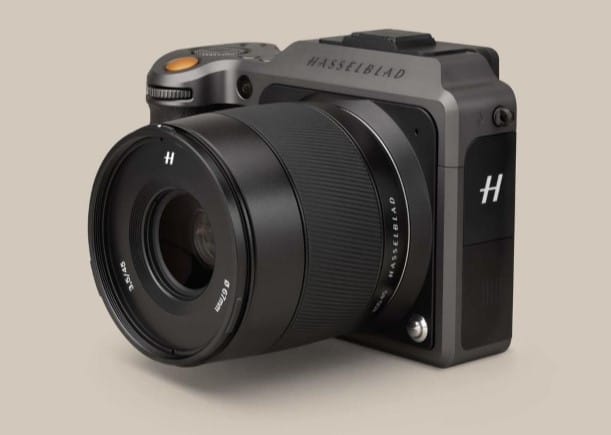
Hasselblad X1D-50c, Best Camera for Photography

Hasselblad launched the world’s first mirrorless medium format camera in 2016. The unique selling proposition of this camera is portability. The lightness lets you hold it in your hand for a long time. You will have more mobility.

Hasselblad X1D-50c has got a 50 megapixel lens that enables you to see the nice details. You will like to look at the photos this camera takes. The manufacturer made this to take photos outside the studio. However, it is an ideal camera for studio shooting as well.

Pros

  • ISO: 6400
  • Slot for two SD cards UHS-II
  • Dust and waterproof
  • Autofocus lenses from the H series

Cons

  • Super expensive
  • Slow operating speed
  • Viewfinder works slowly
  • Video quality: not up to the mark.

Leica M10 | Best Camera for Photography
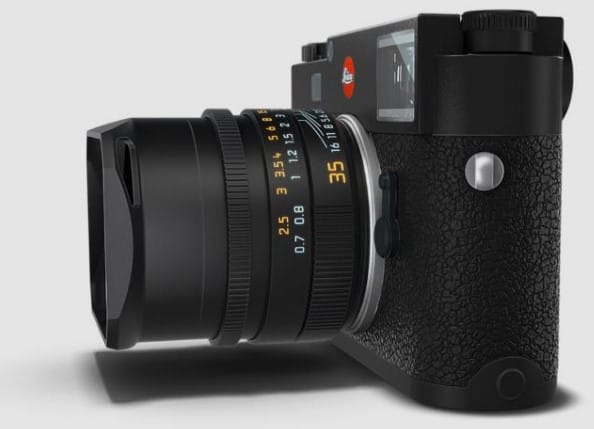
Leica M10 Camera

Leica has finally produced a full M series after two years. The M10 is a little bit expensive at $6500 for the body alone, but comes with a host of new things. If you have a concern about the professional camera price, then it is not the one you are looking for.

The things that it offers include image quality, wireless connectivity, and improved functionality. But at the same time, M10 brings back many old-school film camera qualities.

One thing you should keep in mind is that this camera is not the best camera for photography beginners.  Shooting with M10 is a unique experience driven more by romance and nostalgia than value and performance. The focus is more on subjective qualities.

However, M10 is slimmer than the previous version from Leica. You will get the best camera body. But if you are a user of another camera or you don’t have any nostalgia for Leica, you should not go for it. Nevertheless, I can assure you of the picture quality.

Pros

  • Long-lasting battery life
  • High-quality rangefinder and viewfinder
  • 24MP full-frame sensor
  • Leica Fotos app support
  • Large buffer for ongoing shooting

Cons

  • Extremely high price
  • Does not support video
  • No electronic viewfinder

Conclusion|Best Camera for Photographers

Well, anyone can go on writing about this topic as long as they want. Because there are thousands of high-quality cameras out there. They are satisfying the minds of the buyers with updated facilities. But if you are new and thinking of starting a photography career, these cameras can be a good choice.

Check out Our Relevant Tutorials:

FAQ | Best Camera for Photography

What should I look for in a good-quality camera for photography?

You have several things to consider the best camera for photography. Like Sensor Size, Megapixel Resolution, Brand Loyalty, Lenses, shutter speed, weight, etc.

What makes one lens “faster” than another?

A fast lens allows lots of light through the maximum aperture. As a result, you can experience a faster shutter speed. Y

ou can have an idea of shutter speed from the f-number designation on the lens. For example, the f/1.4 lens is very fast, f/2.8 is decently fast, and f/5.6 is usually slow.

Show your love

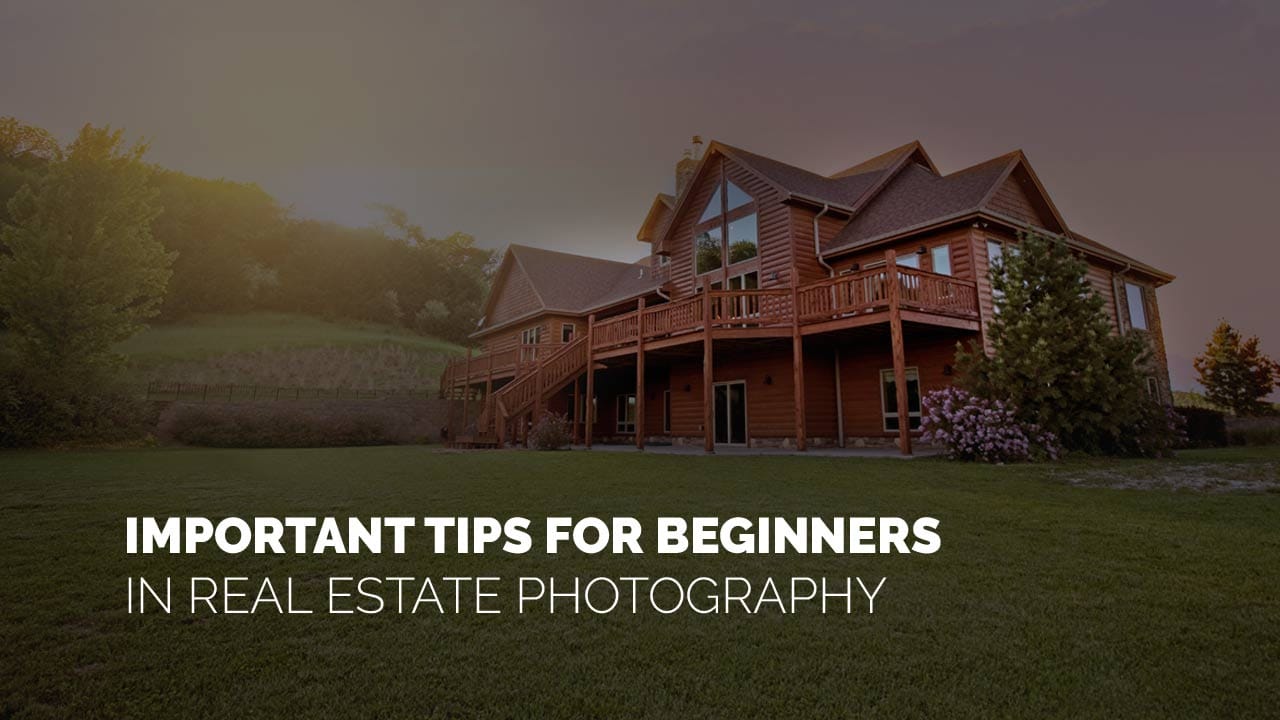
Real Estate Photography Important Tips For Beginners

Over the past decades, it has been a common phenomenon to search for everything online. Real estate photography is not something different in this regard. Thanks to the internet, now you get everything on one platform.

Well, do you know that real estate photography is not as simple as it seems? You might get embarrassed if you are not well prepared. You cannot ignore the fact that the better prepared you are, the more efficient your result will be.

I know you don’t want to make silly mistakes as a beginner. To help you out in this matter, I have come up with some important tips for beginners. Without further ado, let’s get down the business.

Real Estate Photography | Essential Tips for Beginners

Selling a house? High-quality photos are key to attracting buyers. This guide gives new real estate photographers essential tips to capture bright, clear, and inviting images.

01. Pick An Accurate Time

Pick An Accurate Time, Real Estate Photography

One thing where the real estate photographers get messed up is the timing of photo shoots. Selecting a perfect time for shooting is important. It may look okay to shoot real estate photos at any time of the daytime. But to take advantage of natural light, pick the time according to the weather conditions.

Try to avoid cloudy days for shooting. Choose the time that will be perfect for your photo. Ask your clients about their preferences.

Some people prefer sunset while others may love the bright sun above the structure. So, make sure the shooting time is suitable for the customer’s demand.

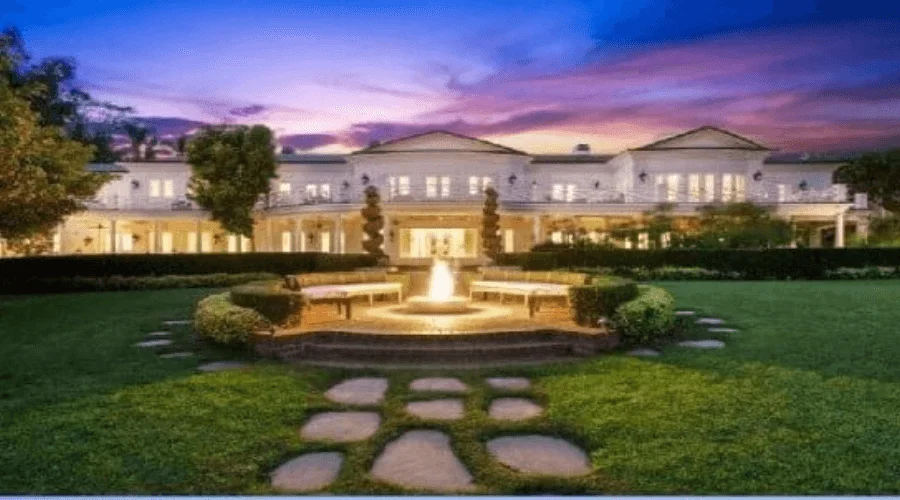
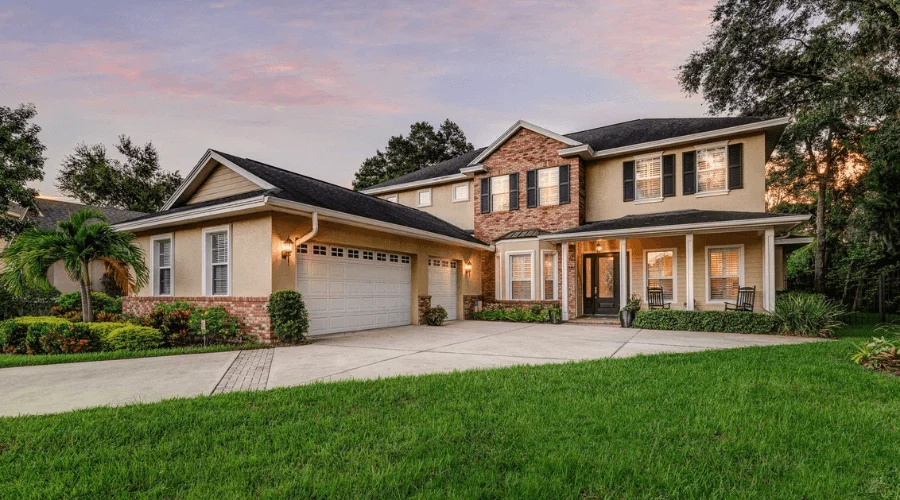
My suggestion to you would be to keep the house in front if you are shooting during sunset. This angle will give better lighting for your photo shoot. The point is, that you cannot deny the fact that natural light is significant in shooting architectural structures. So, while going to shoot real estate properties, try to use the natural light as much as possible.

02. Visit the Property Before Shooting

Visit the Property Before Shooting

Before starting the shooting, visit the house at least once. And take some preliminary photos to know in detail about the rooms, the façade, back yard, etc. Don’t make haste if you want a better result. Some newcomer photographers start shooting on their first visit.

As a result, the whole property comes to them as a surprise. This results in bad-quality photography. That’s why I think it is one of the crucial tips for beginners they visit the house beforehand. However, when you have some initial photos of the house, make sure you don’t forget to analyze each of the photos. Securitize all the shots carefully.

This will help you focus on the small things you could have missed at first glance. After finishing this you should get ready for the final shoot.

03. Set Creative Angles

Set Creative Angles, Real Estate Photography

Some things are beyond the limit of photography tips. In that case, you have to be creative. For instance, Camera angles. In this type of photography, angles play a crucial role. Don’t get cliché while choosing the right angle. Brainstorm and find out some innovative angles for shooting the interior.

Try to do something that most photographers do not do. If you are shooting a room. You can take the photo from the door. It will let you focus on the maximum part of the interior.

Thus, you can show the entire room and the spaces inside it. The same idea goes for exterior shooting. You have to apply your creativity to the maximum level. Only then can you hope for a better output.

04. Let the Light Come

Let the Light Come

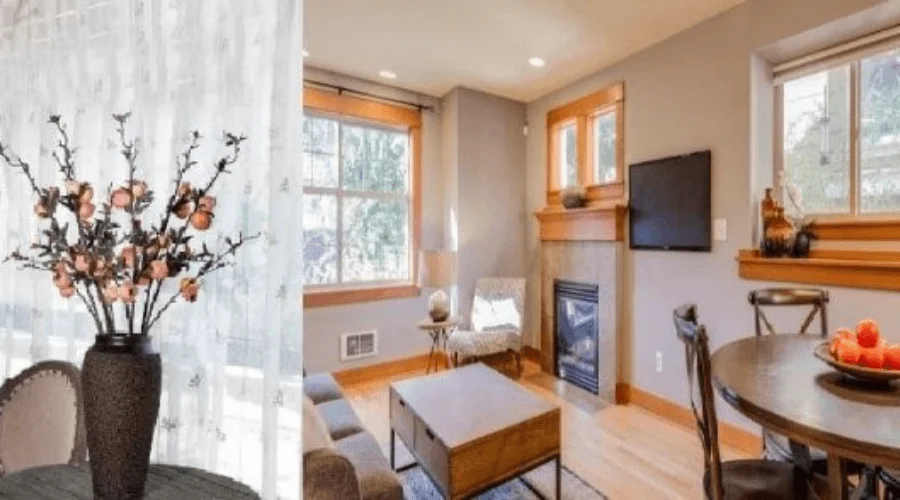
Everyone has to admit that there is no alternative to natural light. The sunlight is irreplaceable. So, when you are going to shoot, make sure that there is enough light inside the house. You can open the blinds and windows. To enhance the effect of natural light, use reflectors and LED panels.

Natural light makes the photos look more realistic. Clients can have a clear idea about the actual look of the house. You can easily highlight the small details. Metals and small artistic features of the furniture will not go unnoticed.

05. Switch the Lights On or Off

Switch the Lights On or Off

I don’t know if you will agree with me or not, but in my opinion, a house without lights looks haunting. If you take shots without lights, the same thing can happen to your photograph. Not only this, but the lights prove that everything in this house is functioning, and it is livable.

This is very primary advice that you should switch the lights on before shooting. This will make things lively. You can give your photograph a luxurious look with additional light. Well, it is another way to look at it.

You can use different techniques of switching on and off to get different effects. If you want to give your pictures an impassive look, then go for turning the lights off. Your objective will determine whether you should turn on the lights or not. However, you have to remember the light temperature correction during editing.

06. Color Temperature Fixing

Color Temperature Fixing

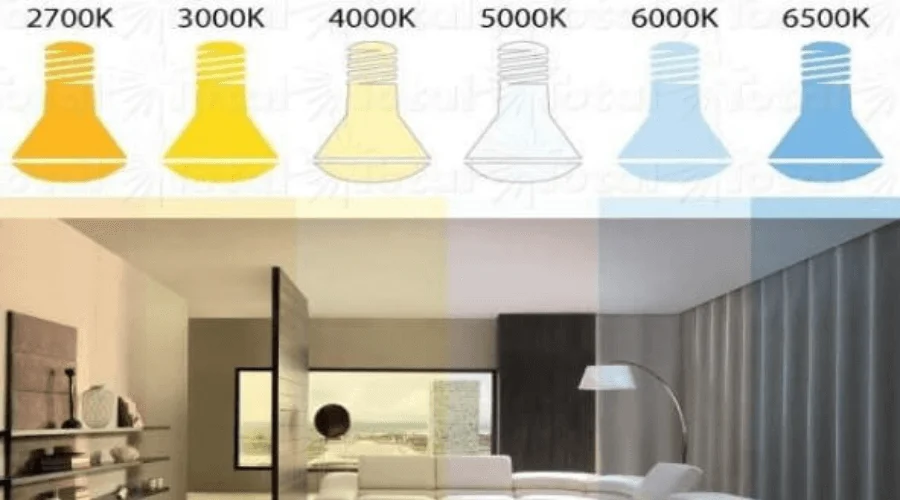
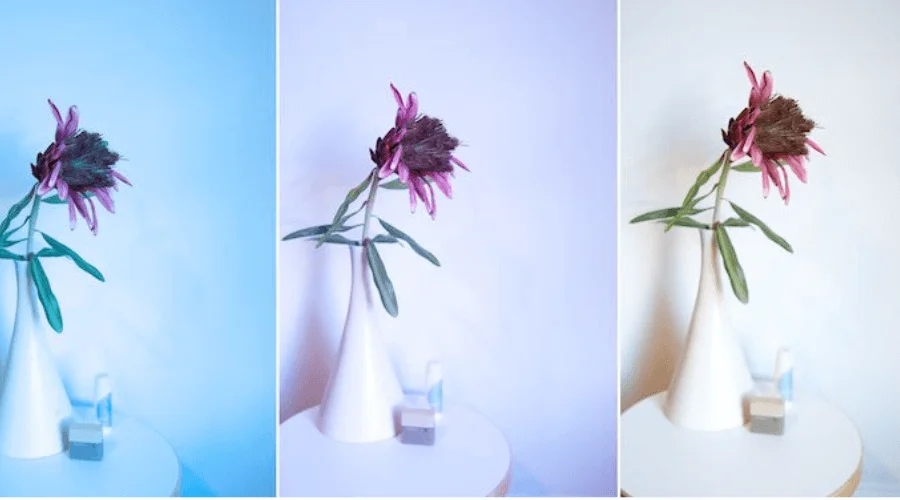
No matter how perfectly you take shots, if your color temperature is wrong, this will ruin your photo. A wrong color temperature hits the eye at first glance. And it creates a bad impression. Image quality can be hampered by many factors. Wrong color temperature is one of them.

You should know how to fix the light temperature. As a new photographer, if you haven’t yet learned it, do so as soon as possible. For example, if you are shooting in a bathroom, there can be an unpleasant yellow tint from the reflection of artificial lights.

To remove this, just move the orange or yellow slider as long as it doesn’t turn plain white. It occurs because of the combination of LED, halogen, or CFL lamps with natural light.

07. Choose the Right Camera

Choose the Right Camera for Real Estate Photography

You cannot use the same camera for different kinds of shooting. The same camera for every kind of shoot might work as a rescue, but it is not a good option. Especially in shooting real estate properties, you need a specialized camera. I would suggest you go for a full-frame camera. The full-frame camera can cope with a lot of light, whereas the cropped sensor is not able to do so.

Yes, I agree that for a new photographer, it might not be possible to buy spare cameras. If this is the case, then go for the interchangeable lens camera. Thus, you can turn your ordinary camera into a perfect one for real estate shooting.

08. Have Enough Accessories

Have Enough Accessories

Little things can turn into an Achilles’ heel for you. I am talking about photo shooting accessories. You should always keep in mind that the importance of accessories is not to be taken lightly.

For instance, keep some extra batteries. When your regular batteries will go dead in the workplace, then you will need them. No matter if you use them often or not, keep some extra batteries in your bag.

Moreover, you might need a sandbag to give support to your light stands or umbrella. Another important tool is a small step ladder that you can move from here to there with one hand. Along with these, be careful about some other accessories.

Such as white-balancing tools, spare memory cards or hard disks, cleaning kits, tripods, etc. Any problem related to these things can cause a waste of time and unnecessary trouble. Consequently, your client can get dissatisfied. So keep that in mind. You can prepare the camera gear the night before shooting.

09. Fix a Reasonable Price

Fix a Reasonable Price

It is a bit confusing for the newcomer real estate photographer when it comes to real estate photography pricing. This is a huge field of work and is considered one of the highest-paid jobs.

So, when setting prices, consider these factors. Study the real estate photography business first. Take the information about the current real estate photographers and compare your work with their work. Then come to a concluding amount that you will charge.

10. Camera, Lenses, and Other Settings

Best Camera for Real Estate Photography

You already know many things from the tips I shared about clicking real estate photos. Now it’s time to get some camera-related tips. Well, when it comes to camera, it covers many things, such as the camera settings, lenses, flash, tripod, shutter speed, aperture, and filters. Let’s start with that.

A. Wide-angle Lenses

You should use wide-angle lenses. Because as a real estate photographer, you have to take shots from different angles of the object to cover as much space as possible. A wide-angle lens will help you to do this perfectly. It will help you to visualize the room larger than the reality.

B. Using Flash

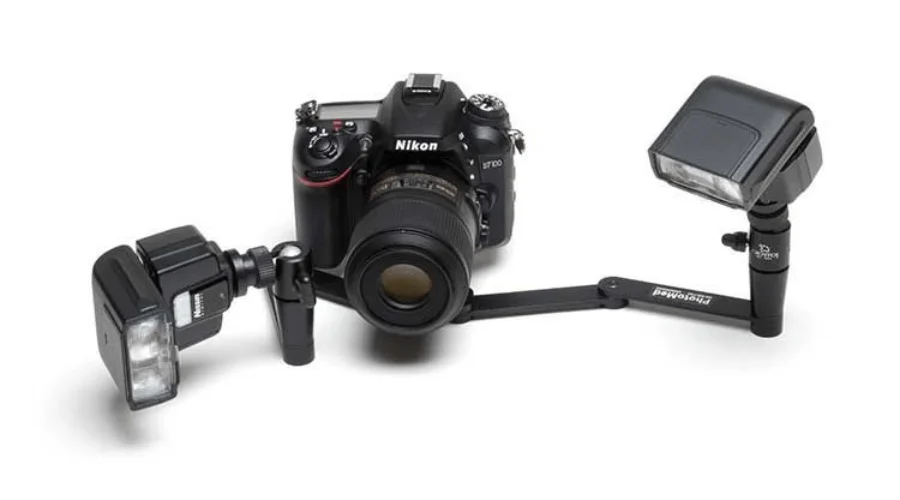
Usually, we see that the standard flashes are not that strong. These are not compatible with taking professional images. They cannot highlight important details. You should add some external flashes to your camera toolkit.

C. Using A Tripod

Using a tripod can make your tasks easier. It is a vital part of real estate photography equipment. In low light, you need a tripod to avoid the blurry look and get good, sharpness. Camera height is crucial for shooting both inside and outside. A tripod can help determine the camera height.

D. Polarizing Filters

These usually fit in front of the lenses. It darkens the skies, helps cope with reflections, and overpowers the brightness from the lake or sea surfaces. Make sure the filter you use is a circular polarizing filter. Use it by taking the filter off around 50% to 75% of the light.

E. Aperture Setting and Shutter Speed

Shallow depth is good for focusing on some objects. Otherwise, f/7.1 to f/9 is a standard aperture value. The normal shutter speed should be between 1/60 and ½ a second. The amount of light in the room will determine the value.

F. ISO Settings

Too much ISO value can make your photography full of noise, similarly normal ISO value can make it eye-soothing. To make the best use of the ISO value, you should experiment with your camera and find out the perfect value. Just remember one thing: a higher shutter speed requires a higher ISO value.

G. Managing White Balance

White balance removes the unpleasant color cast in photography. To make a proper balance of this, you have to consider the color temperature and the light source. To avoid the gloomy look of the house, it is important to care about the real estate photography white balance.

11. Lighting

Real Estate Photo Editing Services

Well, believe it or not, wrong use of light can make your real estate photos spooky. If you want to give the objects a lively look, then make the best use of light. It’s not that easy to shoot some empty rooms. Only the proper use of light can make them lively.

The homebuyers will be attracted to the property if the image gives enough view of the property. Some common lighting challenges that professional photographers face are:

  • Placing the interior lights in the right place
  • Confusing the window light with the interior lights.
  • Use the same technique for bathrooms, living rooms, or kitchens.

To get you out of these problems, I have come up with some simple tricks here. In the future, we can discuss these facts in detail, but here, get a glimpse of the tricks.

  • Make the best use of existing lights.
  • Use multiple wireless flashes.
  • Set a suitable time.
  • Use high and dynamic range.
  • Use bounced fill flash.

12. Use Props

Use Props, Real Estate Photography

Keep a fruit basket on the table along with a bouquet while shooting in the dining hall. Do not use multiple colors. Go for single-color fruits and flowers. Keep clutter and the trash bin out of the frame.

13. Composition

Composition

Any form of art requires a touch of composition to make it classy. It encompasses the whole idea of photography. From shooting to editing. The term composition is described differently by different people. To some people, photography composition aims at making photography more aesthetic, pleasing, and gratifying.

However, the intention of the composition may vary according to the needs of the photographer. The same assumption goes for real estate photography composition. Depending on the customer’s need, a photographer accomplishes their composition of real estate images.

14. Take Photo Editing Services

Real Estate Photo Editing Services Provider

The photography business is increasing day by day, and the photographers are getting busier. As a beginner, you may get less amount of work but get ready for tons of orders shortly if you do well. As a result, you will not get enough time to edit your photos.

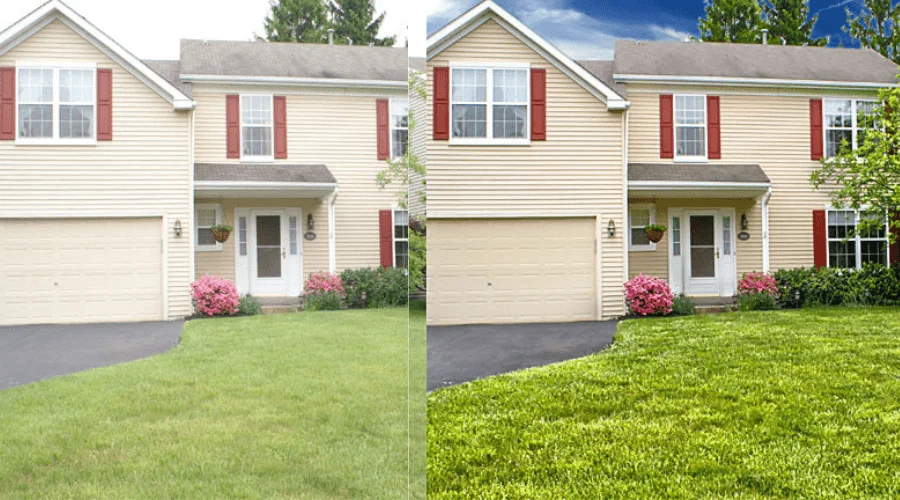
In that case, you can take photo editing services. They will help you to get the final photo you need. It will cost you between $2-$10. There are numerous simple to advanced-level techniques to edit images. You can choose any option you want.

15. Make A Quick Turnaround

Real Estate Photo Editing Tips

Your aim should always be to make your clients delighted with the services. One of the ways to make the clients delighted is to make a quick turnaround. Make sure you don’t miss the deadline. Always try to deliver before the deadline.

Don’t Miss Out

Conclusion | Real Estate Photography

Well, I am at the end of this article. Hope this has been a helpful one for you, isn’t it? Before wrapping it up, I would like to remind you that you need to be consistent in this field. Be creative in thinking, never rush, and try to make the best use of what you have.

If you want to be a professional real estate photographer, I hope these tips can be helpful. Wishing you luck as a beginner in this world of photography.

Show your love

How to Shoot the Best Interior Photos

How To Shoot Best Interior Photos

How to shoot the best interior photos is one of the most common questions photographers ask when they see stunning images in real estate magazines. Those perfectly lit rooms, balanced compositions, and elegant interiors often look impossible to recreate, especially for beginners.

Many photographers believe that interior photography is far more difficult than exterior photography — and they are absolutely right. Shooting interiors requires greater control over lighting, careful composition, accurate color balance, and a strong understanding of space.

If you’ve ever struggled with mixed lighting, distorted walls, cluttered rooms, or flat-looking interior images, this guide will help you. In this article, you’ll learn how to shoot the best interior photos using professional techniques applied by real estate and interior photographers worldwide.

By the end of this guide, you’ll know how to:

  • Control natural and artificial light indoors
  • Choose the right lens and camera settings
  • Create depth and balance in small spaces
  • Capture both wide shots and interior details
  • Edit interior photos for professional results

What Is Interior Photography?

Interior photography is the art of capturing rooms, kitchens, bathrooms, and all indoor spaces of a property in a visually appealing and accurate way. Although it is a part of real estate photography, interior photography requires more precision, patience, and technical control than exterior shots.

Interior shoots focus on:

  • Design
  • Space flow
  • Lighting balance
  • Materials & details

Unlike exterior photography, interiors challenge photographers with mixed lighting, limited space, and depth control.

How to Shoot the Best Interior Photos (Step-by-Step Guide)

1. Plan Everything Before the Shoot

Interior Photography

Before touching your camera, start with communication.

Talk to your client and ask:

  • Which rooms are the priority?
  • What design elements should be highlighted?
  • Where will the photos be used? (property listing, website, brochure, magazine)

If possible, visit the property before the shoot. This allows you to:

  • Understand the room layout
  • Identify clutter or distractions
  • Find strong focal points
  • Observe how natural light enters the space

Pay attention to the orientation of the building. Knowing where sunlight comes from helps you decide the best shooting time and angle for each room. Make a checklist of important design details so you don’t miss anything during the shoot.

2. Use Natural Light Whenever Possible

Use natural light in photography

Lighting is the most important factor in interior photography.

The best interior photos rely heavily on natural light. Cameras do not process light the way our eyes do, so natural lighting helps maintain realism and balance.

Best practices:

  • Shoot during midday, when sunlight is evenly spread
  • Avoid early morning or late afternoon light that creates harsh shadows
  • Turn all interior lights OFF to avoid mixed color temperatures
  • Use flash only to fill shadows or dark corners

Before using flash, test it on walls or ceilings to ensure it doesn’t cause reflections or hotspots. Natural light creates clean, professional-looking interior photos that buyers trust.

3. Avoid Going Too Wide With Your Lens

Wide angles in photography

Many photographers believe wide-angle lenses always work best for interiors. This is a common misconception. While wide lenses are useful in real estate photography, interior photography focuses on design accuracy, not exaggerated space.

Problems with ultra-wide lenses:

  • Distorted furniture
  • Curved walls
  • Unrealistic room proportions

The recommended focal length is 24mm (full-frame equivalent). This gives a natural perspective while maintaining accuracy.

If space allows:

  • Step back
  • Use a tighter lens
  • Reduce distortion
  • Maintain realistic proportions

4. Master Interior Photography Composition

Photographic Composition, How To Shoot Best Interior Photos

Composition is the foundation of strong interior photography. Your camera cannot decide composition—you must.

Good composition includes:

  • Balanced framing
  • Clear subject focus
  • Visual flow
  • Depth and layering

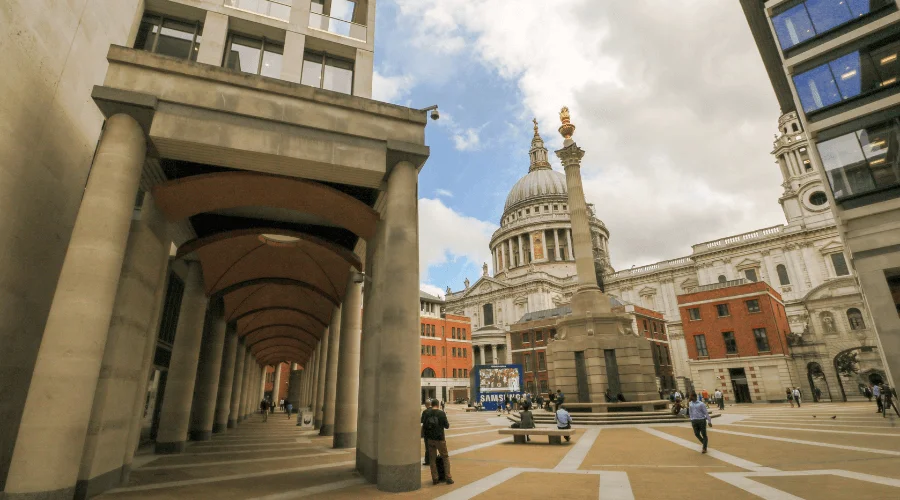
Key composition techniques:

  • Rule of thirds
  • Symmetry
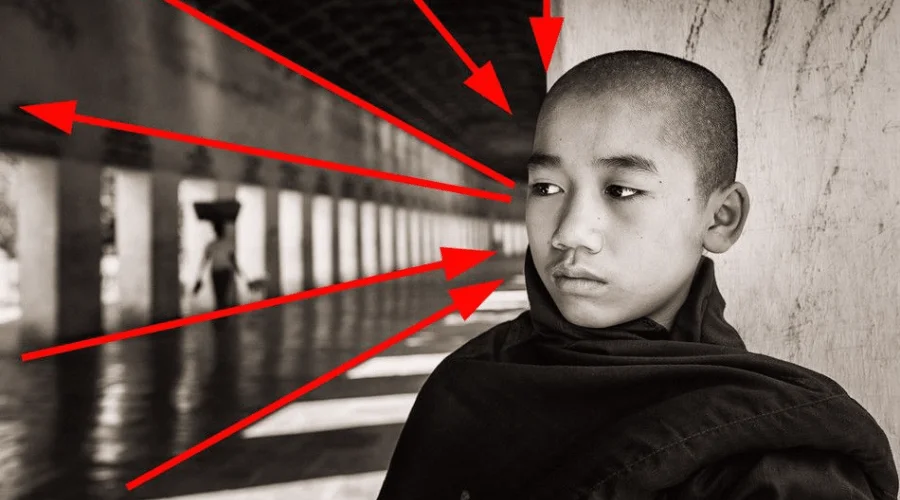
  • Leading lines
  • Framing with doors or furniture
  • Foreground-to-background depth

Interior photos are not just documents. They are visual experiences. Your goal is to guide the viewer’s eye naturally through the space.

Remember: There is no single fixed rule. If the image looks balanced and engaging, the composition works.

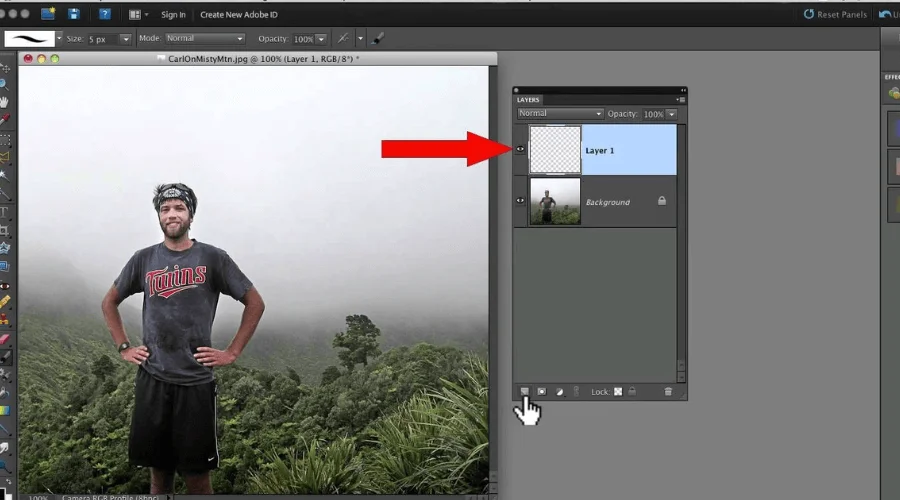
5. Use Layers in Post-Processing

Layers in Photoshop

Editing interior photos using layers gives you flexibility and control.

Benefits:

  • Non-destructive editing
  • Edit specific areas only
  • Maintain original image quality
  • Adjust exposure, highlights, and shadows selectively

This approach is especially useful for:

  • Window balancing
  • Shadow recovery
  • Color correction

6. Create Depth in Interior Photography

Depth in Interior Photography

Depth adds luxury and realism to interior images.

Recommended settings:

  • Aperture range: f/8 – f/16
  • Use a lower f-stop selectively for depth separation

Ask yourself:

“Does anything distract the viewer’s eye?”

If yes, adjust composition or depth.

7. Always Shoot in RAW Format

RAW image format

RAW files preserve maximum image data.

Benefits:

  • Better white balance control
  • Improved highlight & shadow recovery
  • Higher editing flexibility
  • Professional-grade results

Shooting JPEG limits your post-production potential.

08. Remove All Visual Clutter

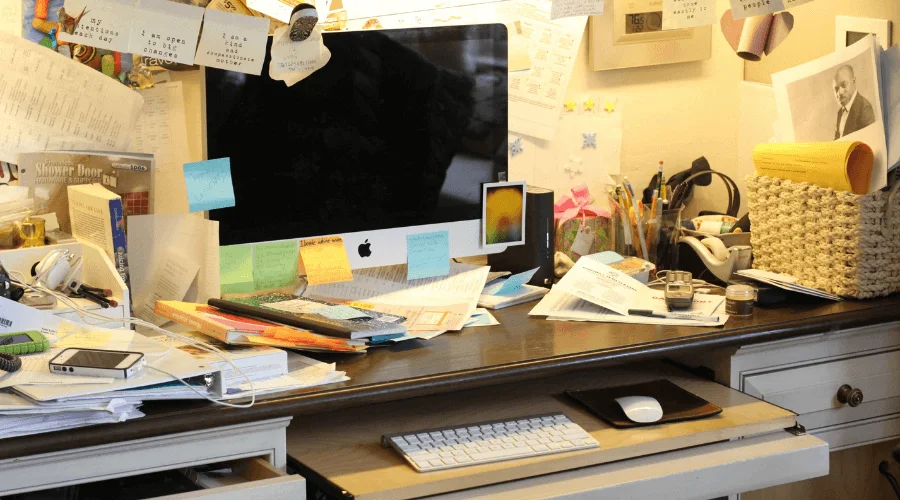
Clutter in photography, How to Shoot Interior Photos

Clutter ruins professional interior photos.

Before shooting:

  • Remove unnecessary objects
  • Align furniture
  • Clean surfaces
  • Hide personal items

If needed, guide your client — they hired you for your expertise.

09. Capture Vignettes & Detail Shots

Use vignette and detail

Interior photography isn’t only about wide shots.

Include:

  • Detail shots
  • Textures
  • Materials
  • Decorative elements

These images:

  • Add storytelling depth
  • Strengthen marketing impact
  • Appeal to designers, architects, and builders

10. Make Physical Room to Shoot

Interior Photography

Small spaces like bathrooms and kitchens can be challenging.

If needed:

  • Move plants
  • Shift furniture
  • Adjust décor temporarily
  • Create space for your tripod

Avoid extremely wide lenses. Making physical space helps maintain realistic proportions.

11. Use Exposure Bracketing

Bracket in photography

Interior scenes often have bright windows and dark interiors.

Solution: Exposure bracketing

Shoot:

  1. Normal exposure
  2. Underexposed
  3. Overexposed

Blend these images during editing for balanced lighting.

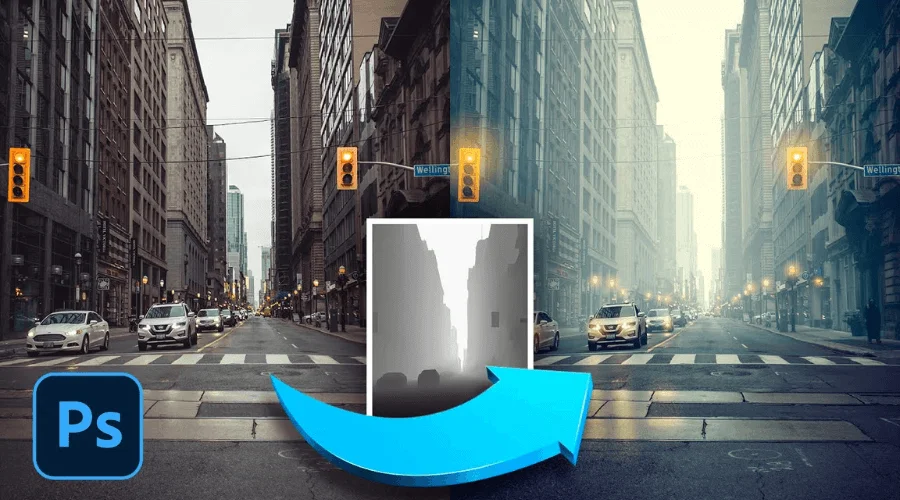
12. Perfect Your White Balance

white balance in photography

White balance affects the mood and realism of interior photos.

Best practices:

  • Use a color checker card
  • Adjust white balance in RAW processing
  • Maintain consistency across all images

Correct white balance prevents unnatural color casts.

13. Post-Production Editing

post-production editing

Editing is essential in interior photography.

Common editing steps include:

  • Exposure blending
  • Color correction
  • Perspective correction
  • Noise reduction
  • Final sharpening

If editing becomes overwhelming, outsourcing can help maintain quality and consistency.

Frequently Asked Questions

What is interior photography?

Interior photography is the professional capture of indoor spaces to showcase design, layout, and atmosphere.

What lens is best for interior photography?

A 24mm lens is ideal for interior photography because it balances realism and space.

Should lights be on or off for interior photography?

Lights should usually be off when shooting with natural light to avoid mixed color temperatures.

What aperture is best for interior photography?

An aperture between f/8 and f/16 is best for sharp interior photos.

Conclusion: How to Shoot the Best Interior Photos

Interior photography is a combination of technical knowledge, creative vision, and careful execution.

Great results come from:

  • Controlled lighting
  • Thoughtful composition
  • Accurate depth
  • Clean styling
  • Professional editing

When you master these techniques, you can consistently shoot the best interior photos that stand out in real estate listings, portfolios, and publications.

Show your love