


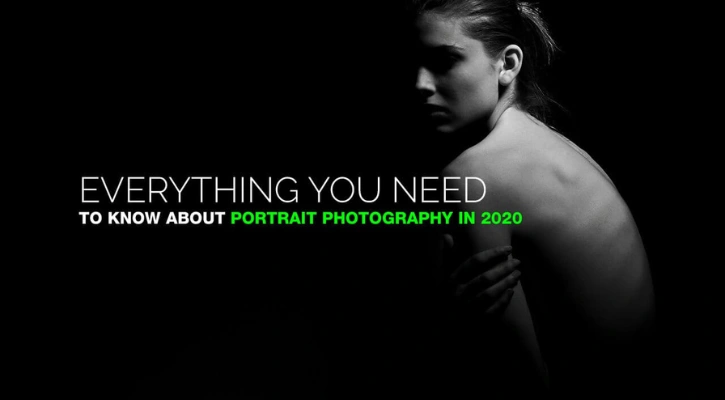
Best Portrait Photography Ideas for Every Style
Portrait photography ideas can help beginners create more natural and engaging portraits. The right pose, lighting, background, and camera settings can make a big difference. Whether you shoot individual, family, lifestyle, or creative portraits, planning is important. In this guide, you’ll learn practical portrait photography ideas and simple tips for creating better portraits.
10 Best Portrait Photography Ideas
Portrait photography focuses on capturing people in a meaningful way. It can include individual portraits, self-portraits, or group photographs. A portrait is more than a simple snapshot of someone. Details like expression, pose, lighting, background, and composition help define the image.
There are several types of portrait photography to explore. These include plain portraits, lifestyle portraits, family portraits, environmental portraits, and fine art portraits. So, what makes a photograph a portrait? In this section, we’ll explore the key elements that define portrait photography.
1. Choose the Right Background
The background is an important part of portrait photography. A busy background can distract viewers from your subject. Choose a clean and simple background when possible. You can also use an interesting wall, fence, or location to add color and context.
For example, an artist can pose near an easel. A musician can pose with an instrument. For commercial images, background removal can help create a cleaner presentation.
2. Prepare Your Portrait Subject
Your subject should feel comfortable before the photoshoot. Even expensive camera equipment cannot fix a tense or uncomfortable subject. Start with casual conversation to build trust. Explain the type of photos you want to capture.
Ask about their preferred style and listen to their ideas. Encourage natural expressions instead of forcing every pose. Check their clothing before the shoot. Wrinkles, loose collars, and uneven buttons can distract from the final portrait.
3. Try Different Portrait Poses
Give your subject simple posing directions. Small adjustments can create a more natural appearance. Ask them to raise their chin slightly or straighten their back. You can also ask them to turn their shoulders away from the camera. Try shooting from different angles for more variety. A low or high camera angle can also create a different visual effect.
4. Focus on the Eyes
Sharp eyes can make a portrait feel more engaging. They help create a stronger connection between the subject and viewer. Use a suitable autofocus point to focus on the subject’s eyes. When using a shallow depth of field, accurate focus becomes even more important. You can also use catchlights to make the eyes look brighter. Position your light source so it reflects naturally in the eyes.
5. Use Good Lighting
Lighting can completely change the mood of a portrait. Soft, diffused light usually creates a flattering look. You can use natural window light for simple indoor portraits. For studio photography, softboxes can provide controlled and even lighting. Avoid harsh shadows unless they match your creative style. Experiment with light direction to find the most suitable look.
6. Keep the Subject Comfortable
A comfortable subject usually produces more natural expressions. Keep communicating throughout the photoshoot. Give positive feedback when they do something well. Avoid making negative comments about their appearance or expressions. Small conversations can also help reduce nervousness. This can make the entire session feel more relaxed.
7. Experiment With Composition
Composition can make your portraits more interesting. Avoid placing every subject in the exact center of the frame. Try different framing and camera positions. You can also use surrounding objects to create depth. Use simple composition techniques when they improve the image. The goal is to keep attention on your subject.
8. Use Props Carefully
Props can add personality and context to a portrait. Choose items that match the subject or photoshoot theme. For example, a musician can hold an instrument. An artist can use painting tools or artwork. Avoid large or distracting props. They should support the portrait rather than become the main subject.
9. Try Different Locations
You do not always need a studio for portrait photography. Outdoor locations can provide natural light and interesting backgrounds. Parks, streets, offices, and beaches can all work well. Choose a location that matches the mood you want. Check the background and lighting before starting the shoot. This helps you avoid distracting elements in your final images.
10. Edit Your Portraits Carefully
Editing can improve color, exposure, contrast, and small distractions. However, avoid making the portrait look unnatural. Start with basic adjustments before using advanced effects. Skin tones should remain realistic and consistent. If you are new to editing, learn the photo editing basics for beginners before using advanced techniques.
Conclusion
Great portraits require more than a good camera. Your subject, pose, lighting, background, and composition all affect the final result. Use these portrait photography ideas to experiment with different styles. With regular practice, you can create portraits that look natural, creative, and professional.